CO2 Lasers
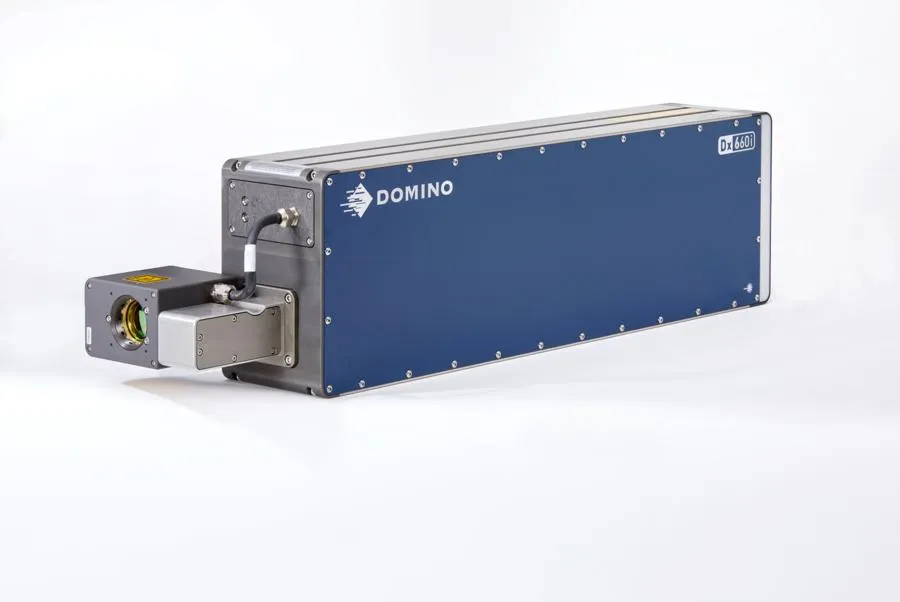
Dx series CO2 printers for high-speed, permanent coding on modern production lines
Products / CO2 Lasers

CO2 Lasers
Dx series CO2 printers for high-speed, permanent coding on modern production lines
Products / CO2 Lasers
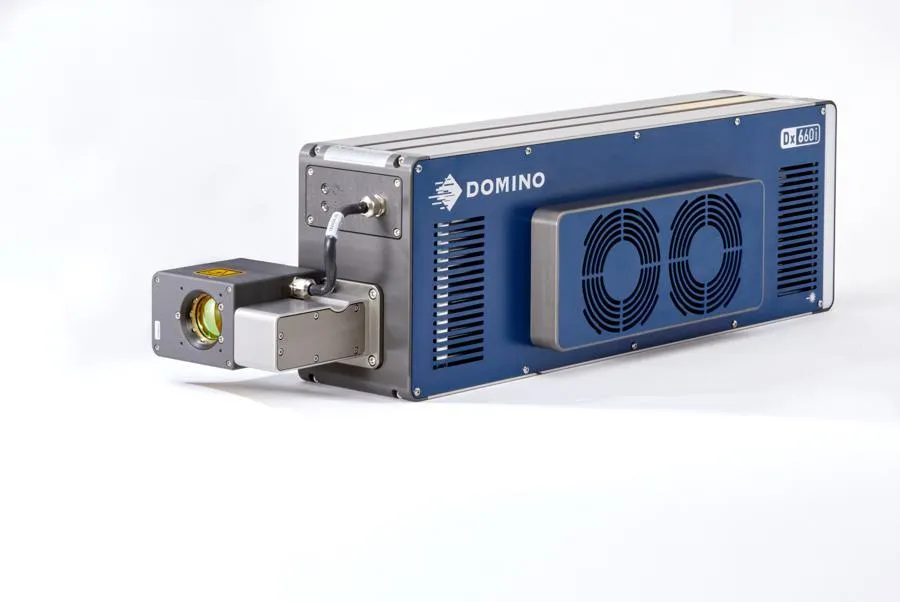
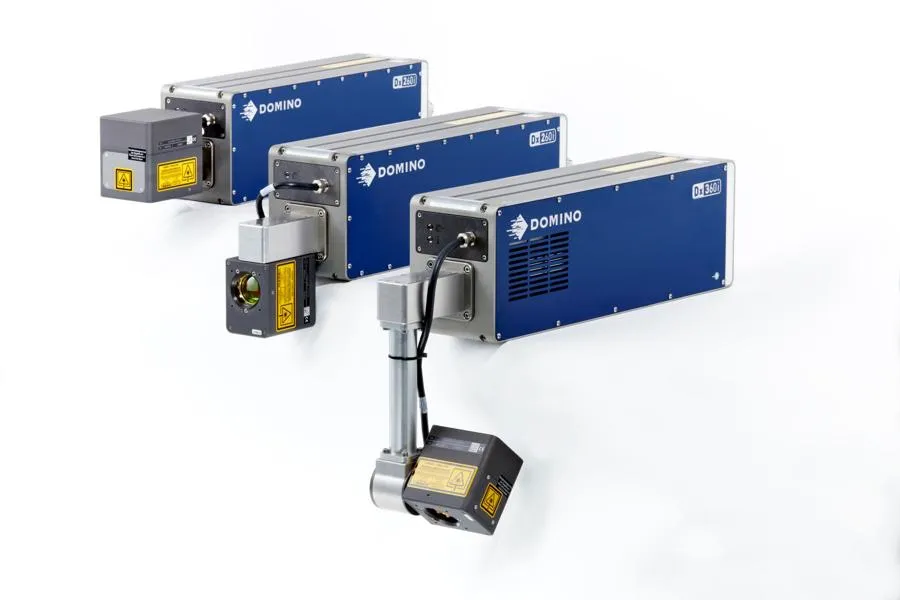
Dx-Series Models
Selecting the right laser system depends on factors such as production line speed, material type, code size and the level of data complexity required for traceability and compliance.
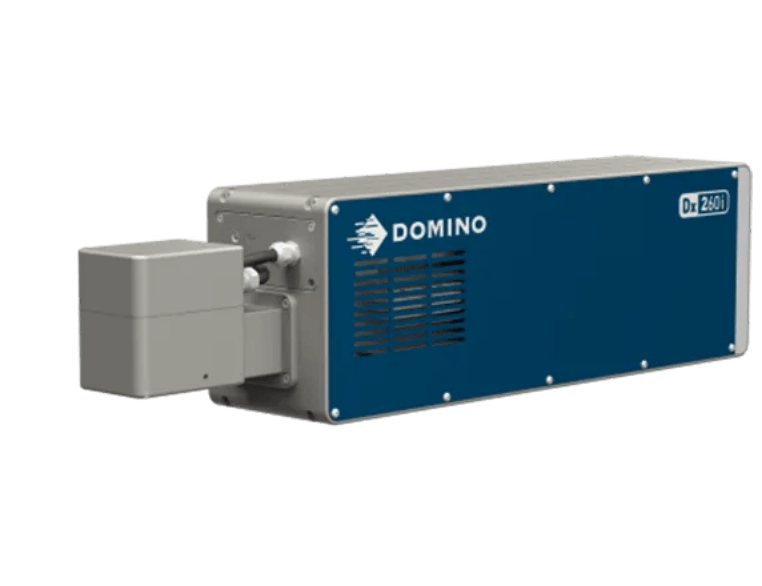
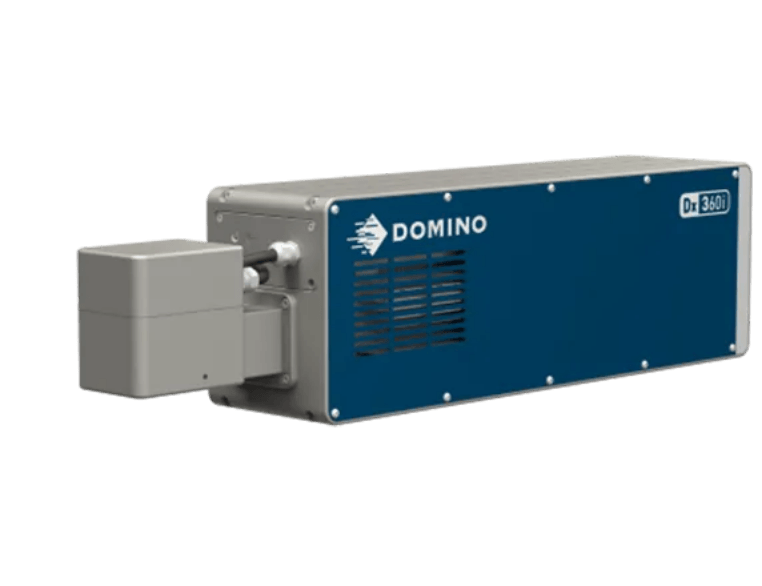
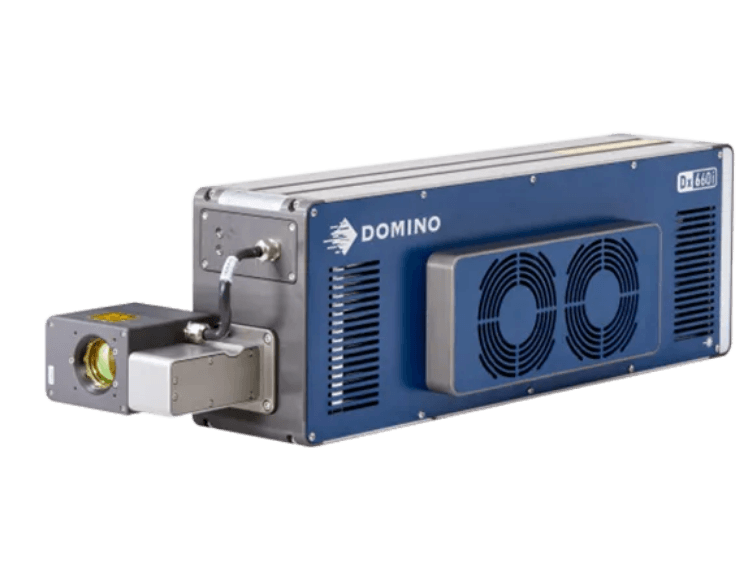
Compare Dx-Series CO2 Lasers
Find the right CO2 laser printer based on your production environment, complexity and performance requirements.
| Feature Comparison | Dx260i | Dx360i | Dx660i | Dx1060i |
|---|---|---|---|---|
| Laser source | 20 watt | 30 watt | 60 watt | 100 watt |
| Performance | Light duty: easy to code substrates, slow to medium line speeds | Medium duty: perfect fit for a wide range of applications at medium speeds | High duty: great code quality at high line speeds, and on tough to code substrates | Highest duty: power reserve for requirements that push the limits |
| Ingress protection | Laser module: IP54 certified fan cooled, optional IP65 certified compressed air cooled | Laser module: IP54 certified fan cooled, optional IP65 certified compressed air cooled | Laser module: IP54 certified fan cooled, optional IP65 certified water cooled | Laser module: IP54 certified fan cooled, optional IP65 certified water cooled |
| Print substrates | organic materials: plastics (PET, PP), paper, cardboard, coated metal; and glass | organic materials: plastics (PET, PP), paper, cardboard, coated metal; and glass | organic materials: plastics (PET, PP), paper, cardboard, coated metal; and glass | organic materials: plastics (PET, PP), paper, cardboard, coated metal; and glass |
| Coding content | Text, graphics, logos, 1D and 2D machine readable codes (Data Matrix, GS1, QR); serialised data, sequential and batch numbering, synchronised clock | Text, graphics, logos, 1D and 2D machine readable codes (Data Matrix, GS1, QR); serialised data, sequential and batch numbering, synchronised clock | Text, graphics, logos, 1D and 2D machine readable codes (Data Matrix, GS1, QR); serialised data, sequential and batch numbering, synchronised clock | Text, graphics, logos, 1D and 2D machine readable codes (Data Matrix, GS1, QR); serialised data, sequential and batch numbering, synchronised clock |
| Operating temperature | 5°C–45°C at up to 100% duty cycle | 5°C–45°C at up to 100% duty cycle | 5°C–45°C at up to 100% duty cycle | 5°C–45°C at up to 100% duty cycle |
| Made in Germany | ✔ | ✔ | ✔ | ✔ |
Common Coding & Marking Applications
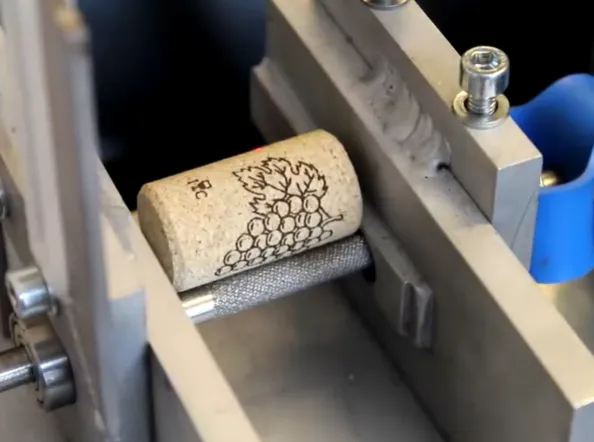
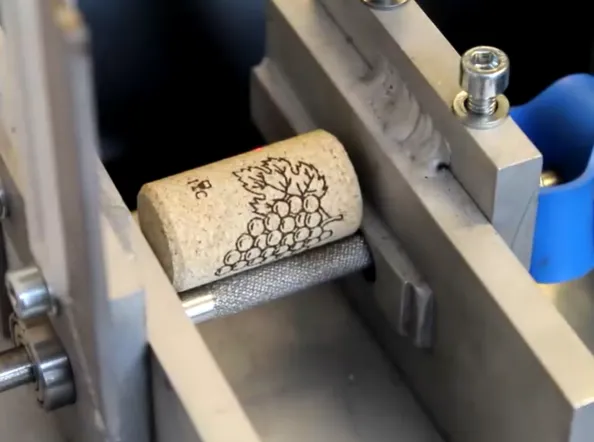
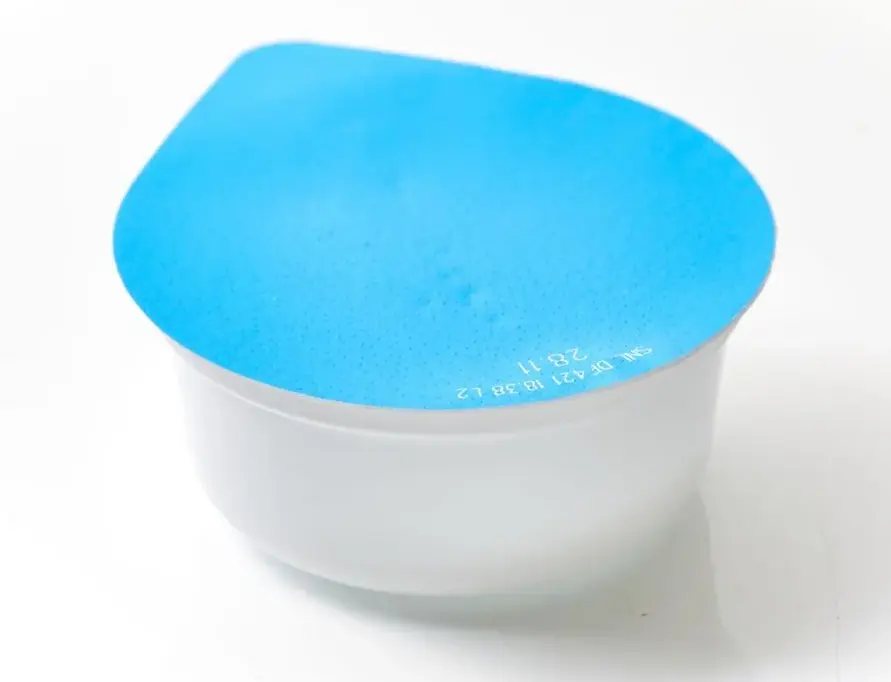
Domino CO₂ laser coders deliver permanent, high-contrast codes across a wide range of primary and secondary packaging applications. Using advanced laser marking technology, they produce precise, durable codes without inks or consumables, ensuring reliable product identification, regulatory compliance, and full traceability across modern manufacturing environments.
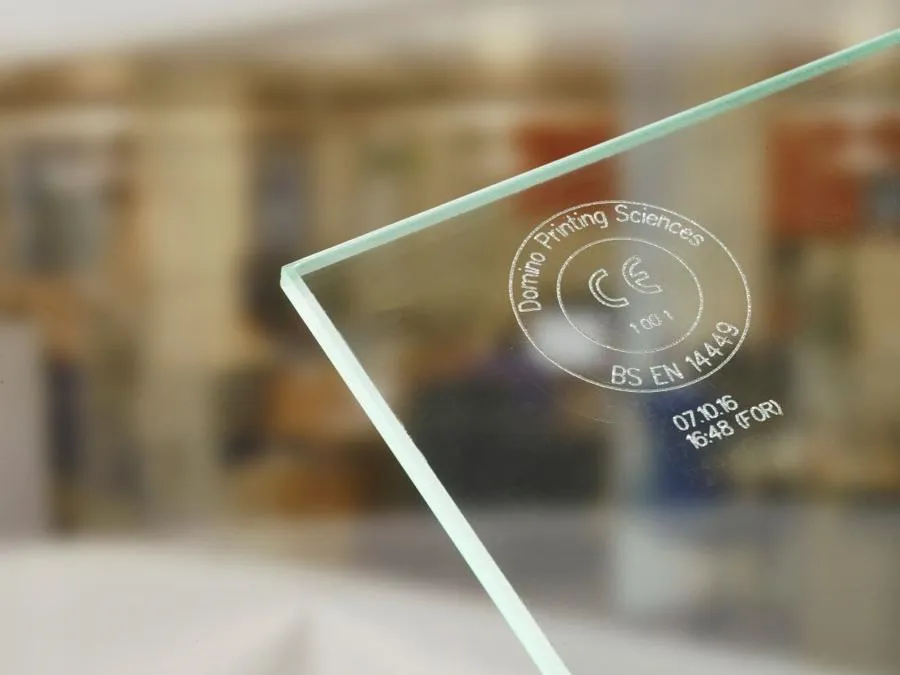
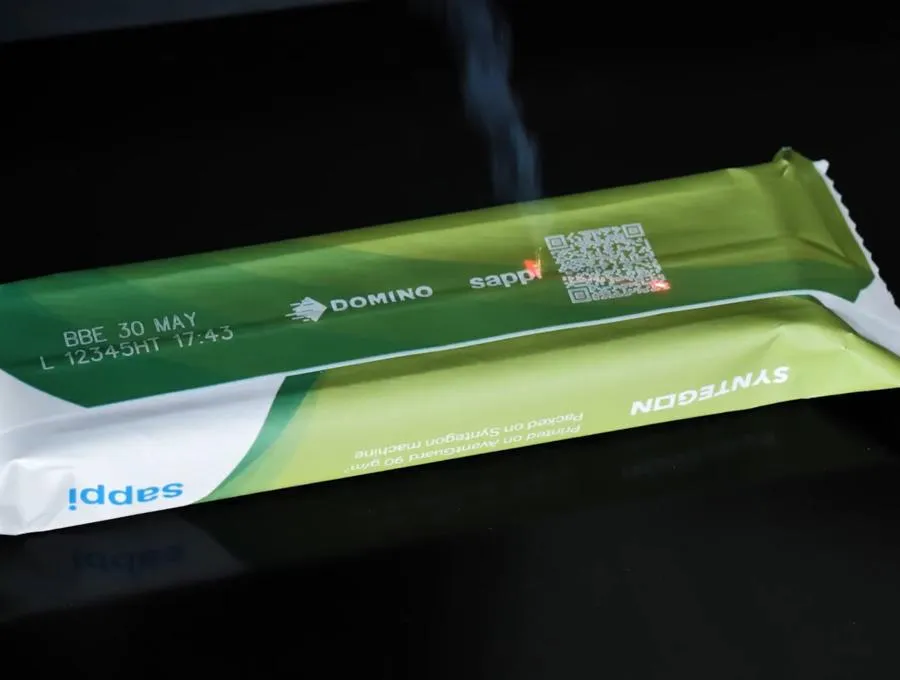
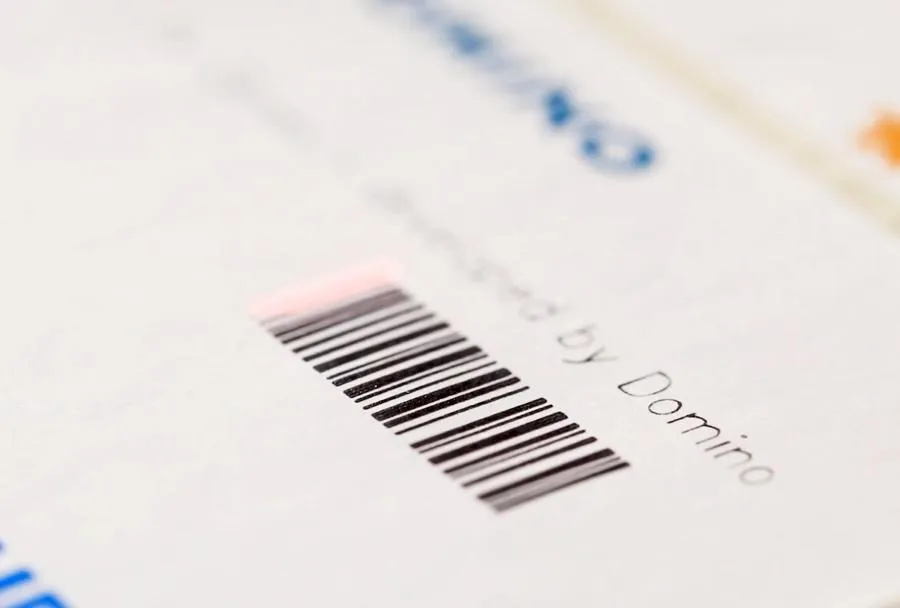
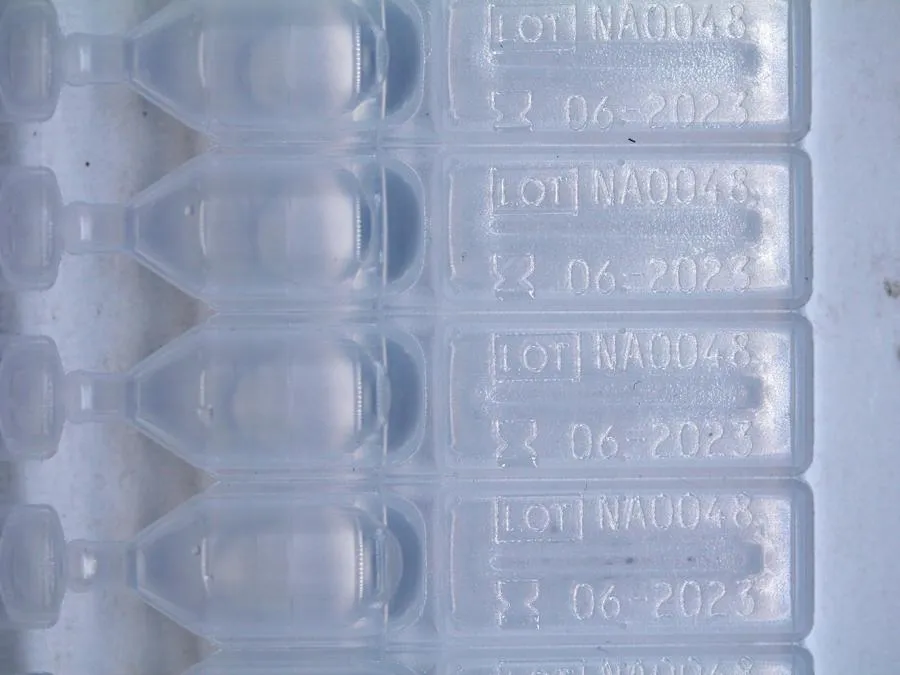
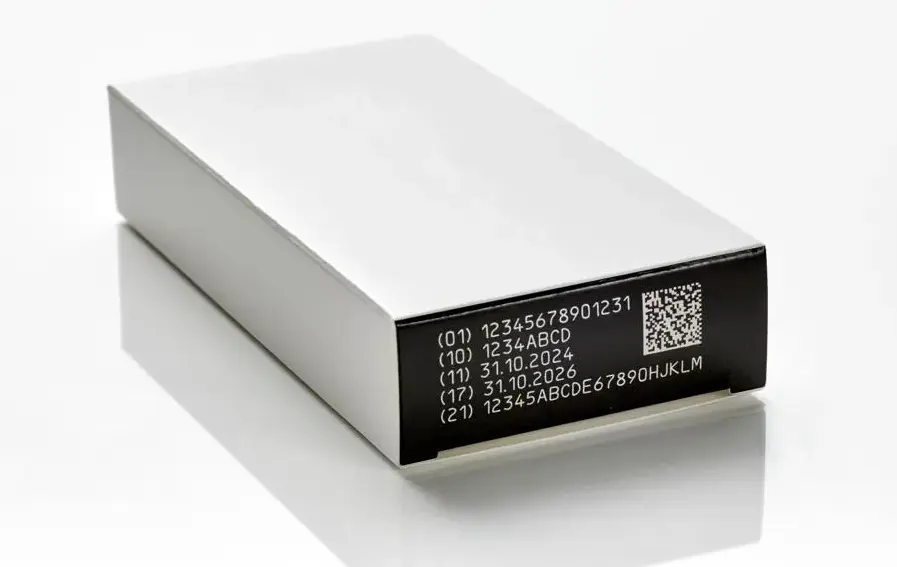
These systems perform consistently on materials such as plastics, glass, paper, cardboard, labels, films and coated packaging surfaces. CO₂ laser marking is widely used for date codes, batch numbers, serialisation, logos, and machine-readable codes, including QR codes and DataMatrix codes.
Typical packaging and product applications include:
- Beverage bottles and cans
- Food cartons and snack packaging
- Pharmaceutical cartons and medical packaging
- Plastic containers and trays
- Labels and coated packaging materials
- Flexible films and laminated packaging
- Glass bottles and jars
- Consumer goods packaging
Domino highlights additional factors that matter in practice:
- Up to 30% faster coding vs previous generation
- Advanced coding algorithm for high-res 2D codes
- Integration: ERP / MES / automation / vision systems
- 50+ beam delivery configurations