

Reliable Coding for Glass Packaging
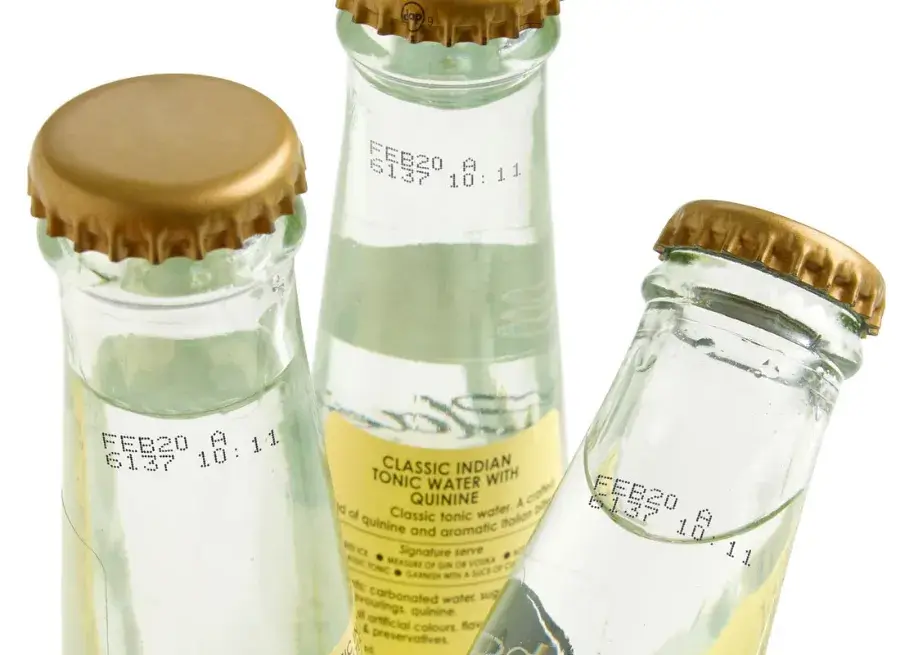
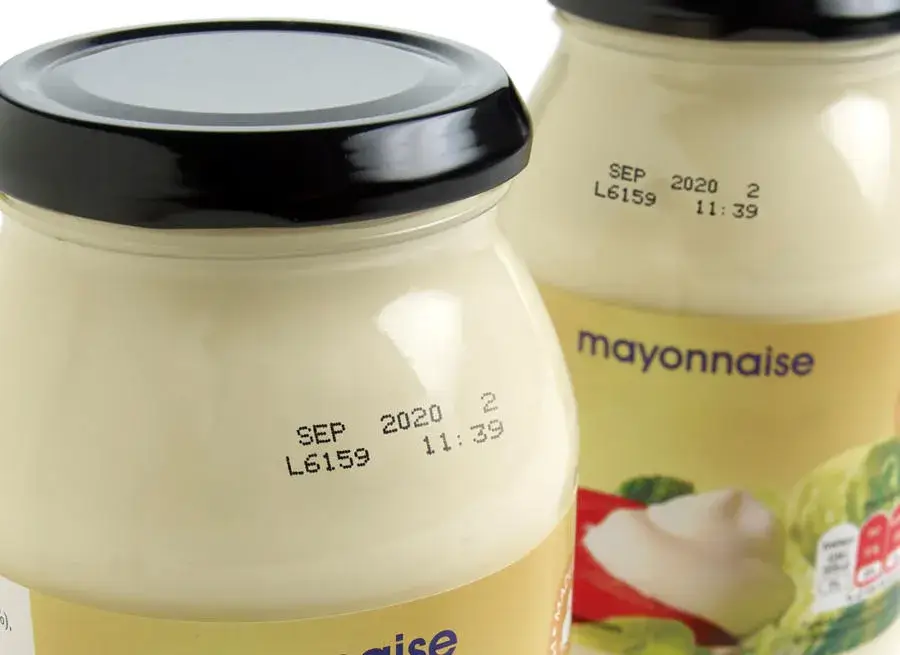
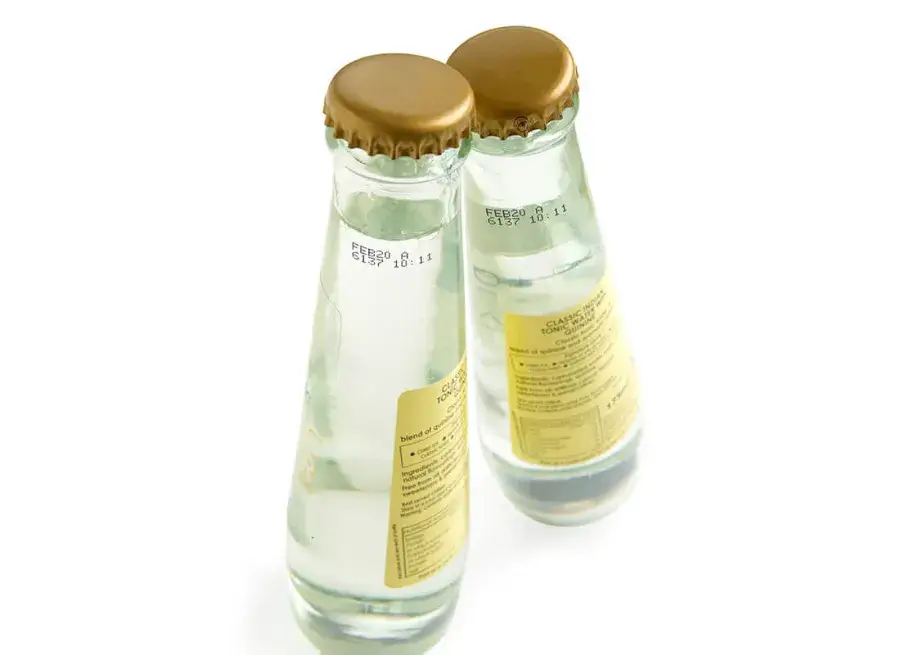
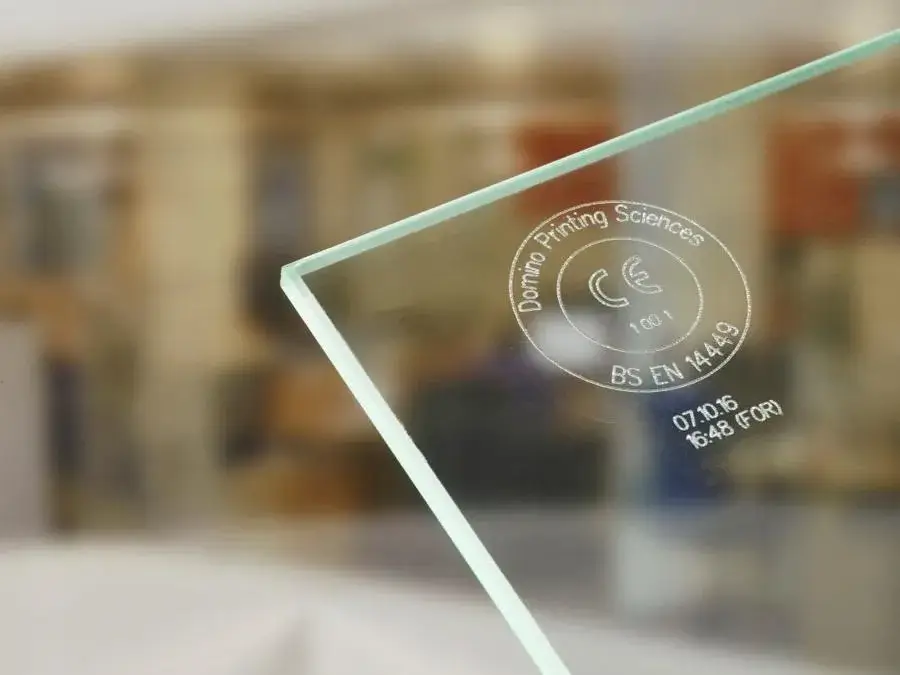
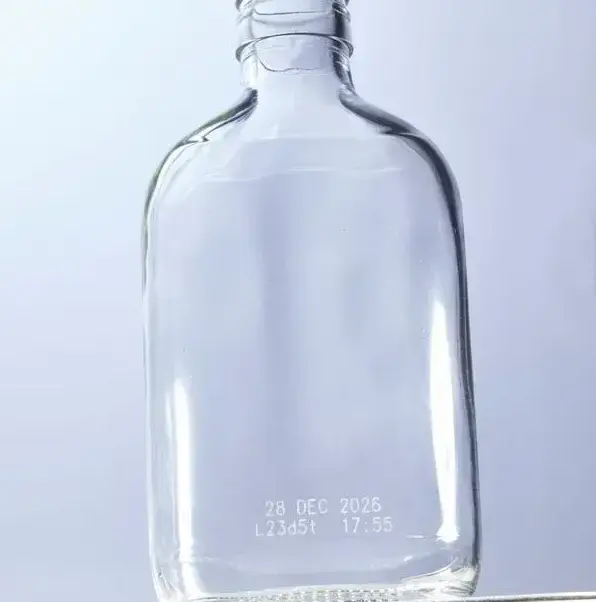
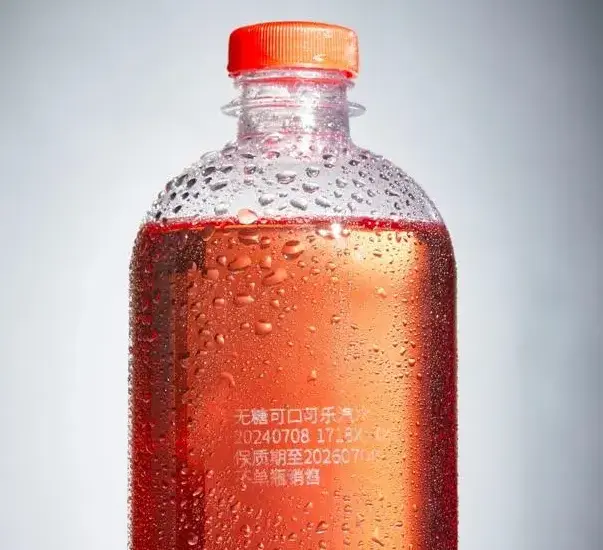
Glass presents a smooth, non-porous surface that affects ink adhesion and drying time. Curved shapes and condensation during production can further impact code clarity and consistency.
Achieving reliable coding on glass requires precise control of ink formulation, application method, and production line conditions. Poor setup leads to smudging, fading, or unreadable codes.
Codico works with manufacturers to deliver stable coding solutions for glass, ensuring strong adhesion, high contrast, and consistent performance across fast-moving bottling and packaging lines.

Why Coding Matters for Glass Packaging
In glass packaging, clear, reliable coding supports traceability, regulatory compliance, and product safety across the food, beverage, and pharmaceutical sectors. Codes must remain legible throughout handling, transport, and storage. Codes applied to glass typically include batch numbers, expiry dates, serialisation data, and machine-readable formats for supply chain tracking.
Codico solutions support:
Common Glass Packaging Applications
Glass is widely used across industries where product integrity, hygiene, and presentation matter. Reliable coding ensures each product remains identifiable throughout its lifecycle.
Manufacturers rely on coding systems that deliver clear, durable marks on both primary and secondary glass packaging formats.
Common applications include:
These applications require coding solutions that maintain clarity despite handling, moisture, and varying storage conditions.

Key Considerations When Coding Glass
Coding on glass requires careful alignment between substrate properties, production environment, and marking technology. Incorrect setup leads to poor adhesion or reduced code durability.
Important factors include: