

Reliable Coding for Plastic Packaging
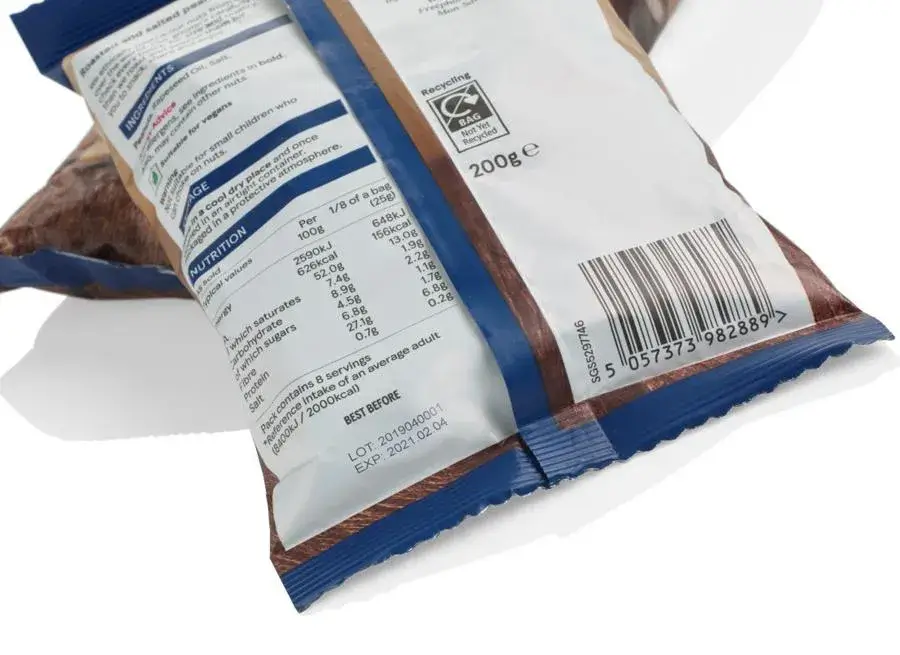
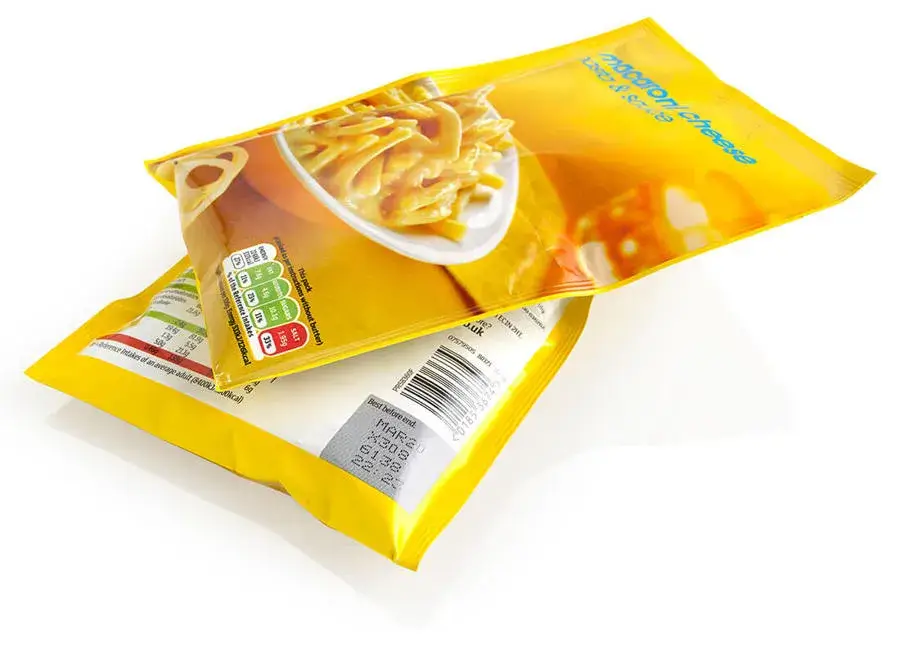
Plastic includes a wide range of materials, from flexible films to rigid containers, each with different surface properties. Smooth, non-porous plastics can affect ink adhesion, while flexible materials can distort codes during movement.
Production environments often involve high speeds, static build-up, and varying temperatures, all of which impact code quality and consistency. Poor setup leads to smudging, fading, or unreadable codes.
Codico delivers reliable coding solutions for plastic, ensuring strong adhesion, consistent print quality, and stable performance across different plastic types and production lines.


Why Coding Matters for Plastic Products
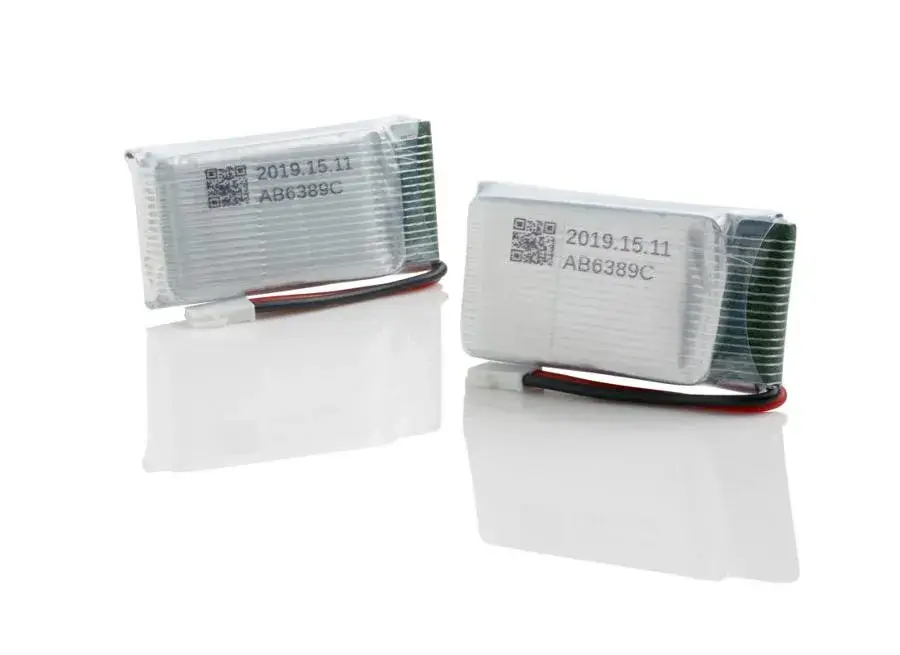
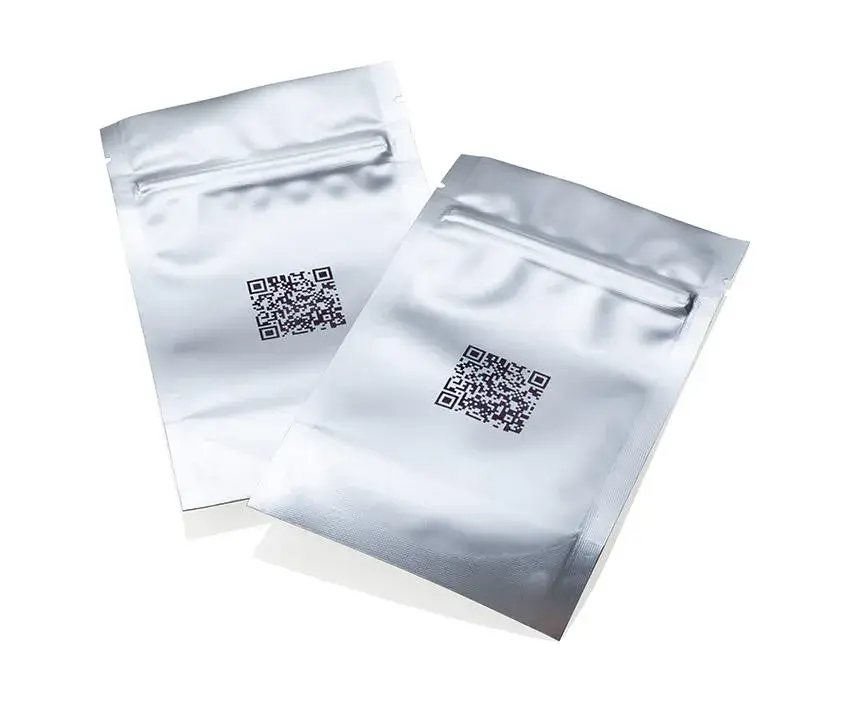
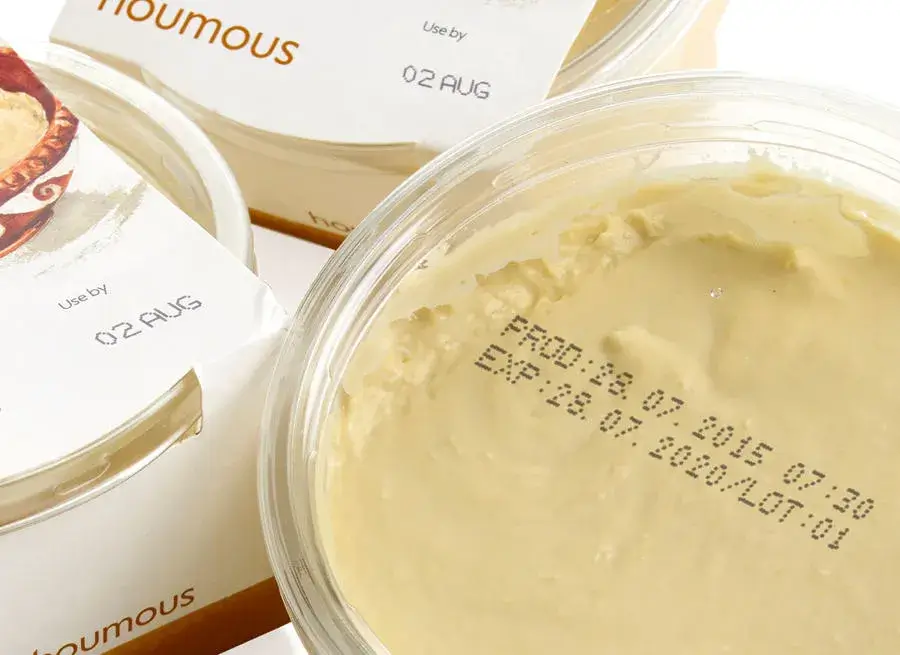
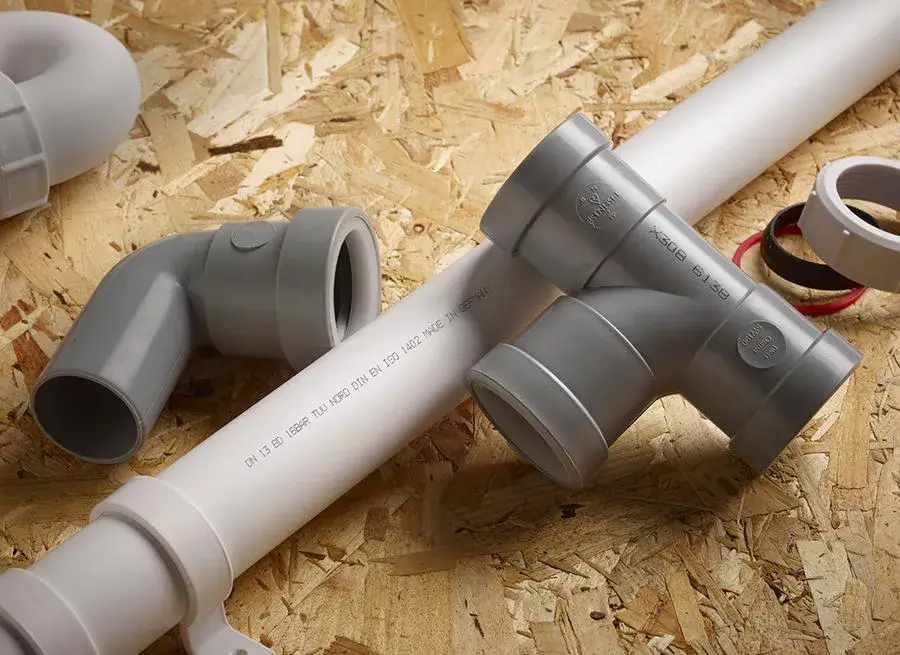
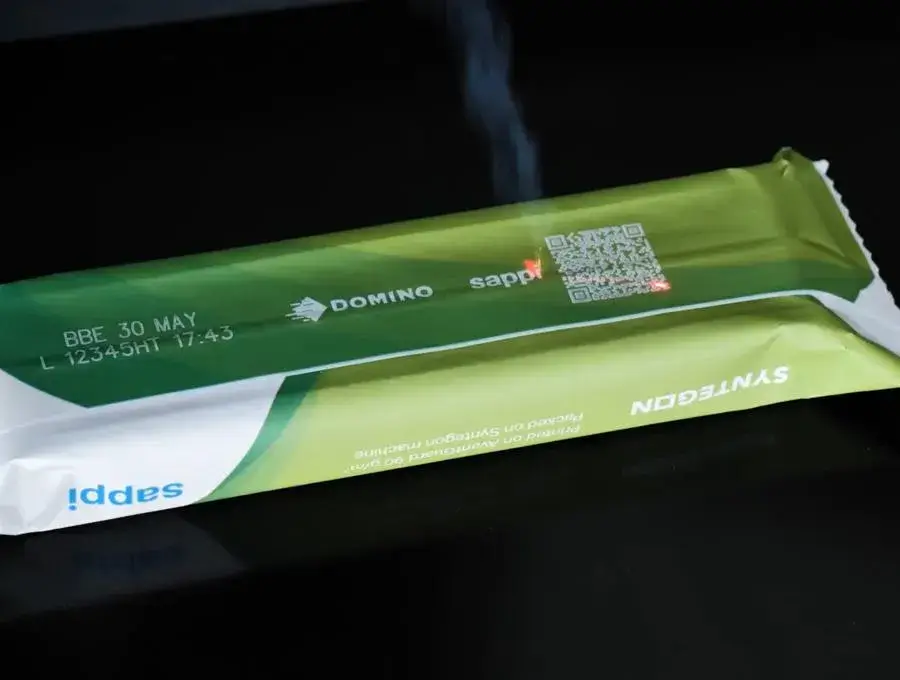
Plastic packaging plays a central role in food, beverage, pharmaceutical, and industrial sectors, where clear coding supports traceability, compliance, and product safety. Codes must remain legible throughout handling, transport, and storage. Codes applied to plastic products typically include batch numbers, expiry dates, barcodes, and serialisation data required for supply chain tracking.
Codico solutions support:
Common Plastic Applications
Plastic is used across a wide range of packaging and industrial applications where flexibility, durability, and cost efficiency are key. Coding ensures each product remains identifiable throughout its lifecycle.
Manufacturers require coding systems that perform reliably on both flexible films and rigid plastic surfaces.
Common applications include:
These applications require coding solutions that maintain clarity despite handling, movement, and environmental exposure.

Key Considerations When Coding Plastic
Coding on plastic requires alignment between material type, surface condition, and production environment. Without this, codes may fail to adhere or degrade over time.
Important factors include: