
The Hidden Cost of an Unreadable Barcode

The Hidden Cost of an Unreadable Barcode
When a barcode fails to scan, the immediate response is often a second attempt, a manual entry or a replacement label. On a busy production line, it can look like a small problem.
But the cost can extend well beyond that single pack. An unreadable barcode can create rework, delay despatch and disrupt the automated processes that keep products moving through the supply chain.
For manufacturers, barcode quality deserves attention at every stage, from printing and inspection to storage and delivery.
Where the costs build up
Production disruption. When poor codes trigger repeated rejects or require operators to intervene, throughput suffers. Teams spend time investigating the issue, adjusting equipment and checking affected stock. Even short interruptions become costly when they recur across a shift.
Rework and waste. A correctly manufactured product may still need to be held, inspected or relabelled because its barcode is unreadable. That adds labour and consumable costs. Where the packaging cannot be recovered, it can also mean unnecessary waste. Domino identifies rejections, rework and defective stock among the consequences of poor-quality 2D codes.
Delays after despatch. If the problem reaches a customer’s warehouse, goods may need additional checks before they can be received or processed. Resolving the issue can involve warehouse staff, customer service and the manufacturer’s quality team, creating work far beyond the original printing operation.
More difficult traceability. Where barcodes link products to batch or serial records, an unreadable code can make information harder to retrieve. Manual checks may be needed during stock reconciliation or investigations, increasing the time and effort involved.
The practical implication is clear: the later a problem is discovered, the more people and processes it can affect.
Why a barcode becomes unreadable
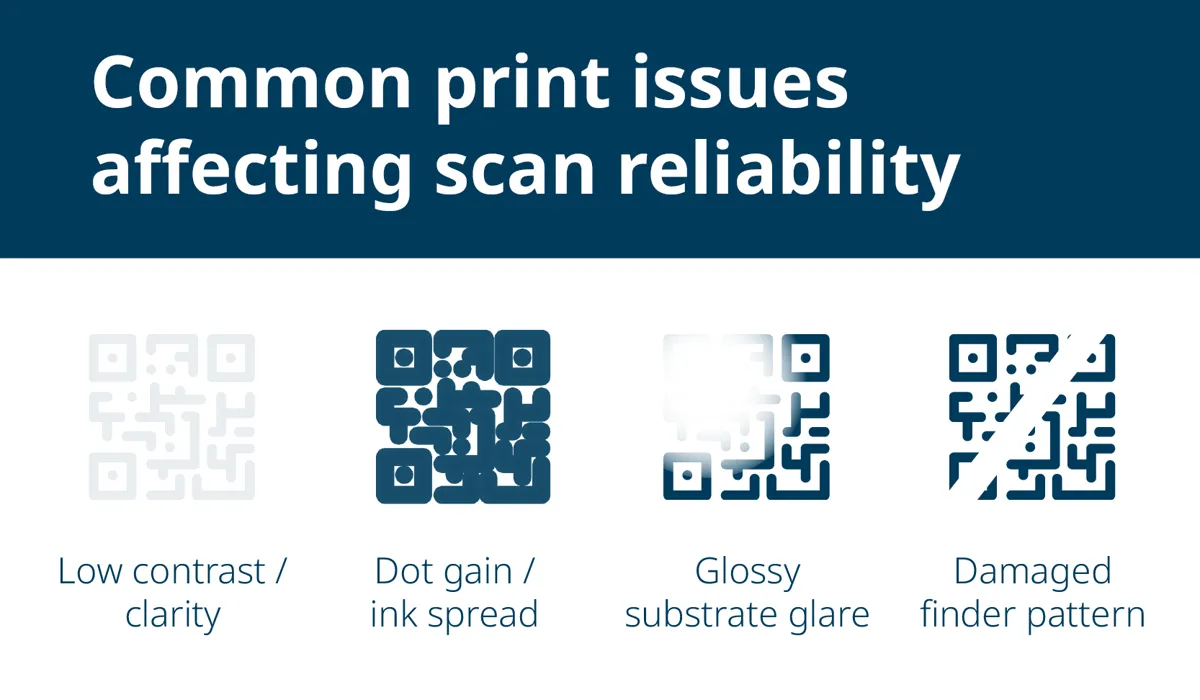
Barcode quality depends on the entire application, including the packaging, print settings and how the product moves past the printer.
Common issues include:
- Poor contrast between the code and its background.
- Smudging or incomplete printing, which obscures bars or individual elements.
- Insufficient clear space, known as the quiet zone, around the barcode.
- Incorrect sizing or distortion, making the code difficult to decode.
- Poor positioning, including printing across a seam, fold or uneven surface.
GS1’s barcode guidance highlights the importance of contrast, quiet zones, size and placement.
Product handling also matters. Changes in product position, distance from the printhead or conveyor speed can affect the final code. A reliable setup needs consistent presentation of the packaging to the coding equipment.
A successful scan does not prove consistent quality
Scanning a sample with a handheld reader is useful, but it has limits. It confirms that the particular reader can decode that particular code under those conditions.
It does not establish that the barcode meets the required print-quality grade or will perform consistently across other scanning environments.
GS1 distinguishes scanning from barcode verification. Verification assesses quality against defined criteria, helping manufacturers identify weaknesses that a simple scan test may miss.
The encoded information also needs checking. A barcode can be perfectly readable while containing the wrong product identifier or batch information. Readability, print quality and data accuracy each need appropriate controls.
Catch problems while products are on the line
Sample checks provide useful information, but they leave gaps between inspections. A problem that develops during a run may affect multiple products before someone notices it.
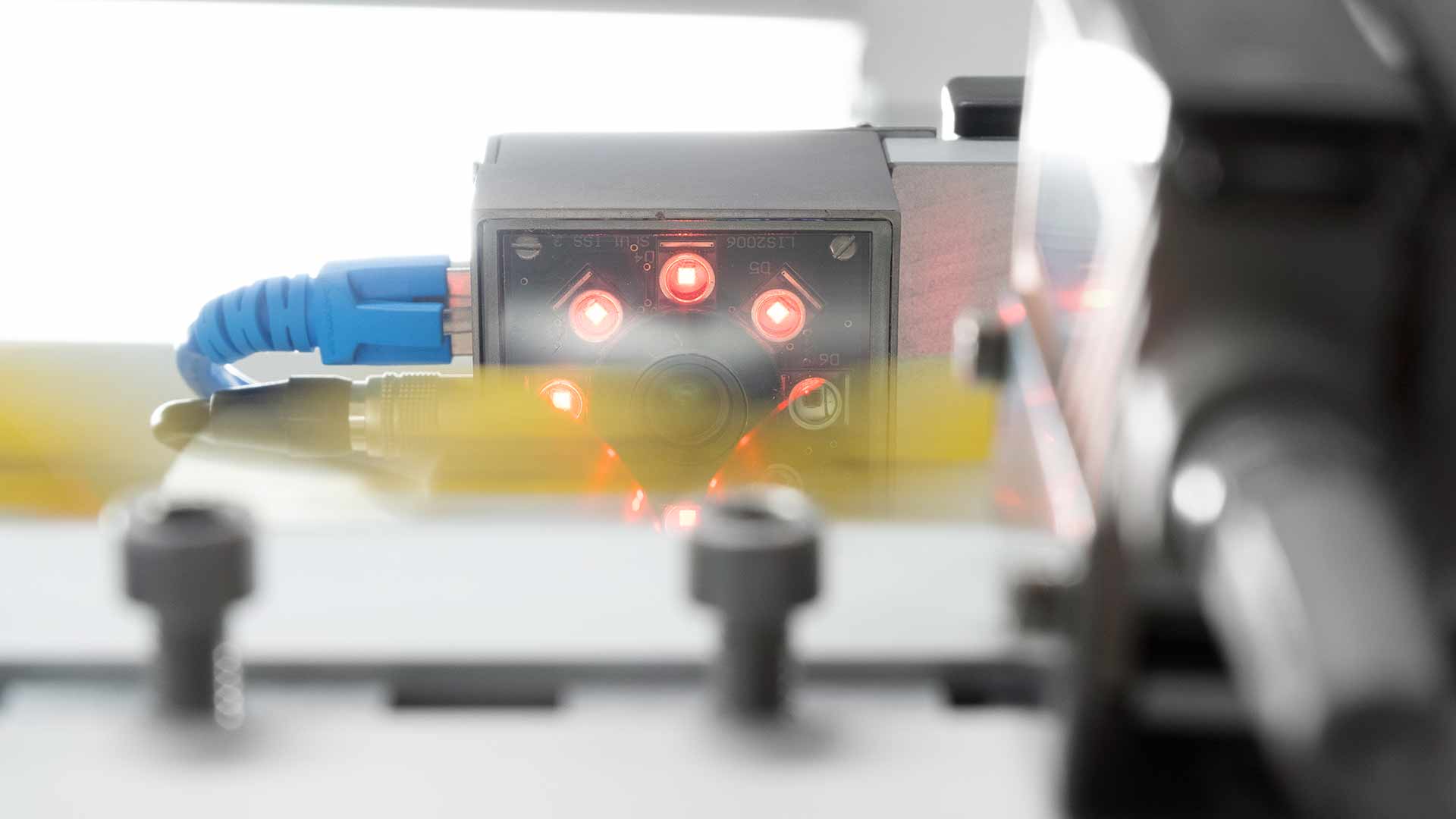
Inline vision inspection can check codes as products pass through the line. Depending on the system and its configuration, this can include checking code presence, readability, position and expected data.
An effective installation also needs a clear response when a check fails. That may involve an alert, a controlled line stop or automatic rejection, with a defined process for handling affected products.
Manufacturers should confirm exactly what their inspection system measures. A presence check, a successful decode and formal barcode quality grading provide different levels of assurance.
Review the whole coding process
Improving barcode reliability starts with the application. Review the packaging material, code requirements, line speed, product handling and conditions the finished product will encounter.
Test representative samples at normal operating speeds and after relevant handling or storage. Recheck the setup when packaging, artwork, consumables or production conditions change.
Recording barcode-related rejects, downtime and rework also helps make the cost visible. Those records can show whether a recurring issue needs a maintenance adjustment, better product handling or a different coding solution.
How Codico can help
Codico supports manufacturers across Ireland and Northern Ireland with coding, labelling and inspection solutions. Our Code Check vision solutions can inspect barcodes, printed text and label positioning directly on the production line.
We can help review how codes are produced and checked, and identify a solution suited to your packaging and production requirements.
If unreadable barcodes are creating rejects, rework or delivery problems, contact Codico to discuss a review of your coding application.